


- 产品细节
- 文档
- 支持
- 订购中
- 交互式数据手册
产品细节
Features and benefits
- AEC-Q100 qualified for automotive applications
- Temperature grade 1 (Tamb): -40 °C to 125 °C
- Junction temperature range (Tj): -40 °C to 150 °C
- Input voltage range: 4 V to 40 V
- Absolute maximum input range: -42 V to 45 V
- Wide output voltage range: 2 V to 40 V
- Absolute maximum output range: -5 V to 45 V
- Tight output tracking tolerance: ±5 mV
- Maximum output current: 300 mA
- Low dropout voltage: 440 mV typical at 300 mA (VOUT = 5 V)
- Low quiescent current (IQ):
- 45 µA typical quiescent current at light loads
- 0.75 µA typical shut-down current
- Over voltage and under voltage indication at PG output
- Active output discharge with a typical discharge current of 800 µA
- Stable with a wide range of ceramic output-stability cap: ESR from 0.001 Ω to 5 Ω; output capacitor from 4.7 µF to 470 µF
- Integrated various fault protections:
- Reverse polarity protected input
- Reverse current protection
- Thermal shutdown
- Short-circuit to ground and battery protection
- Over-current protection
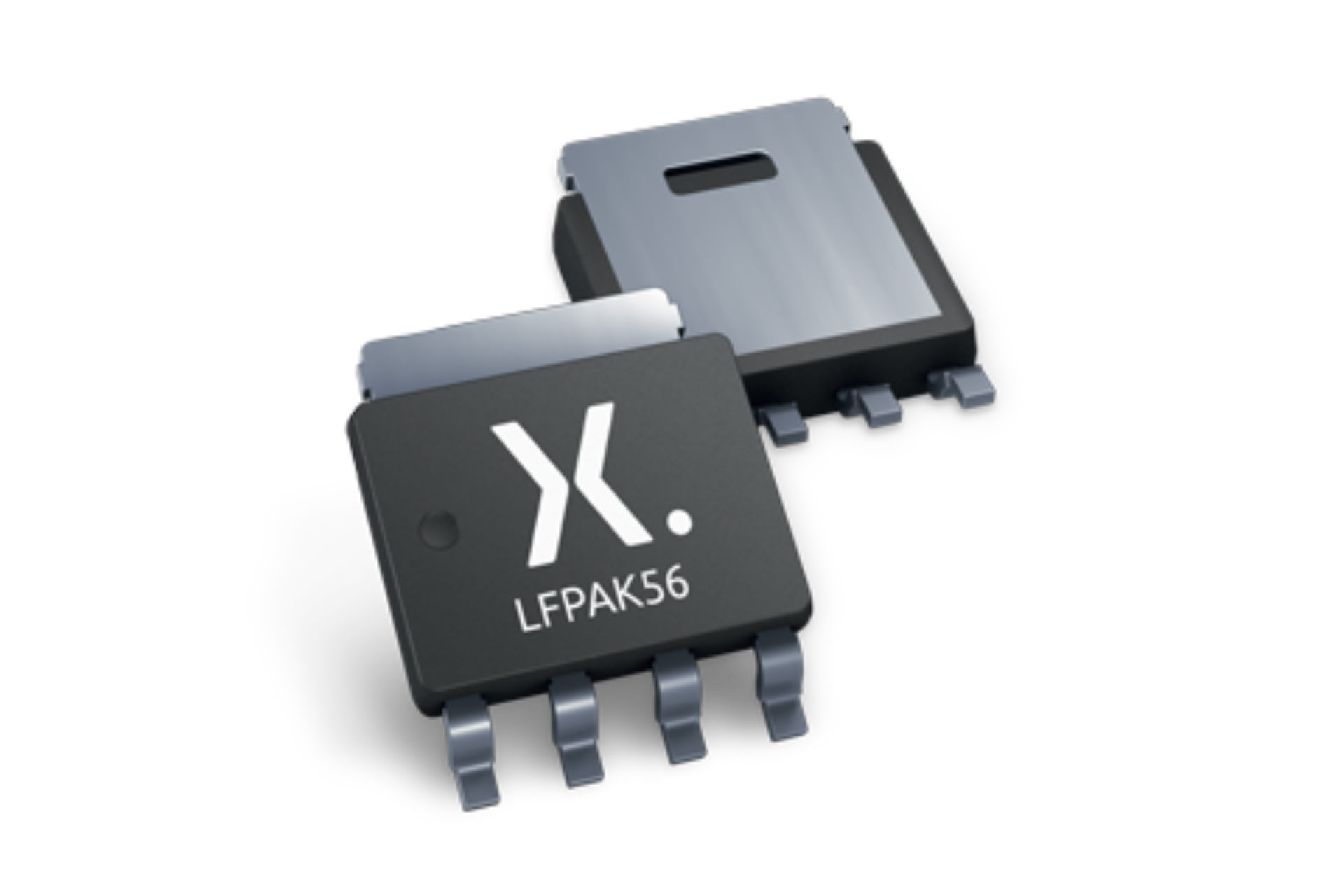
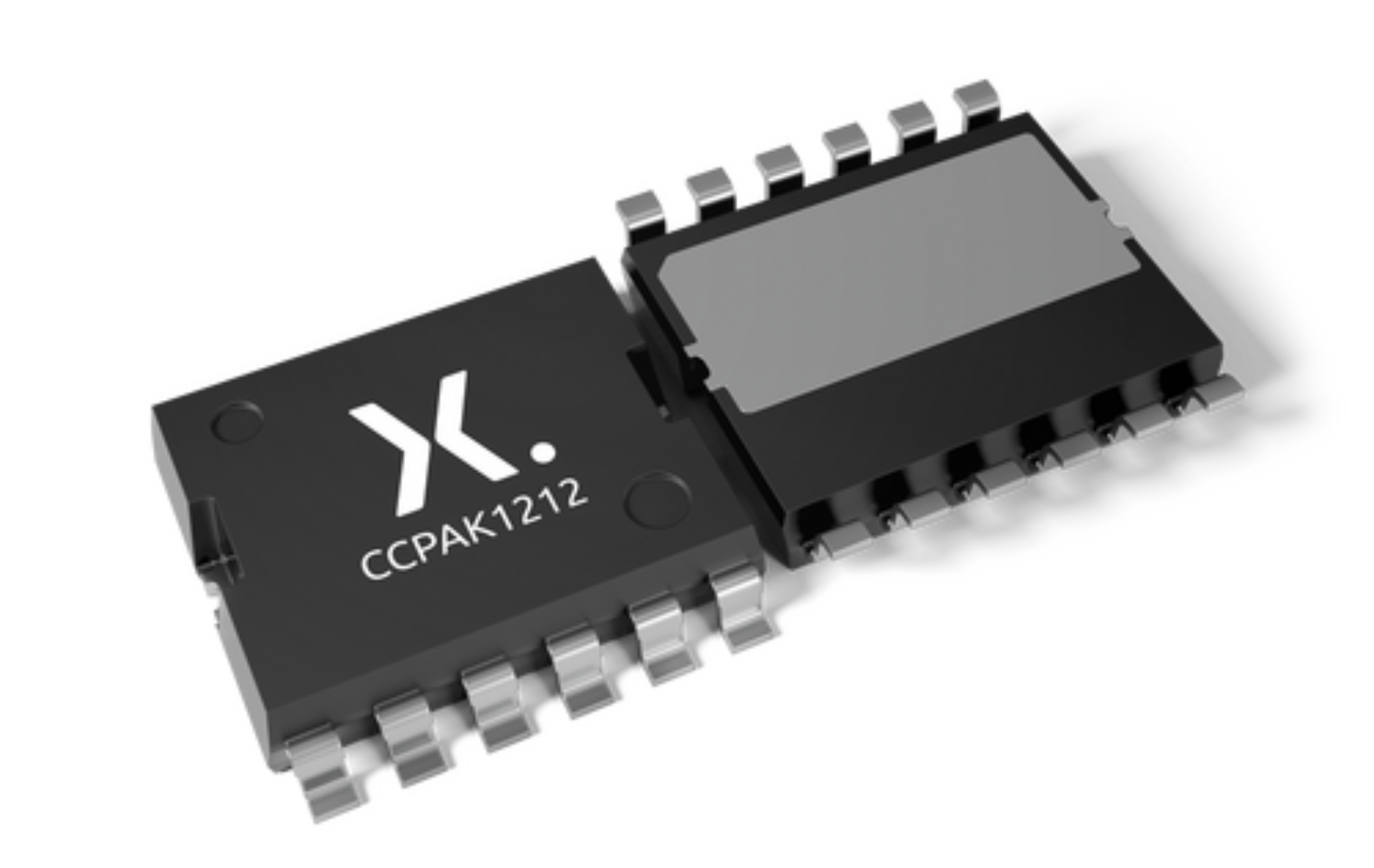
- HSO8 package available:
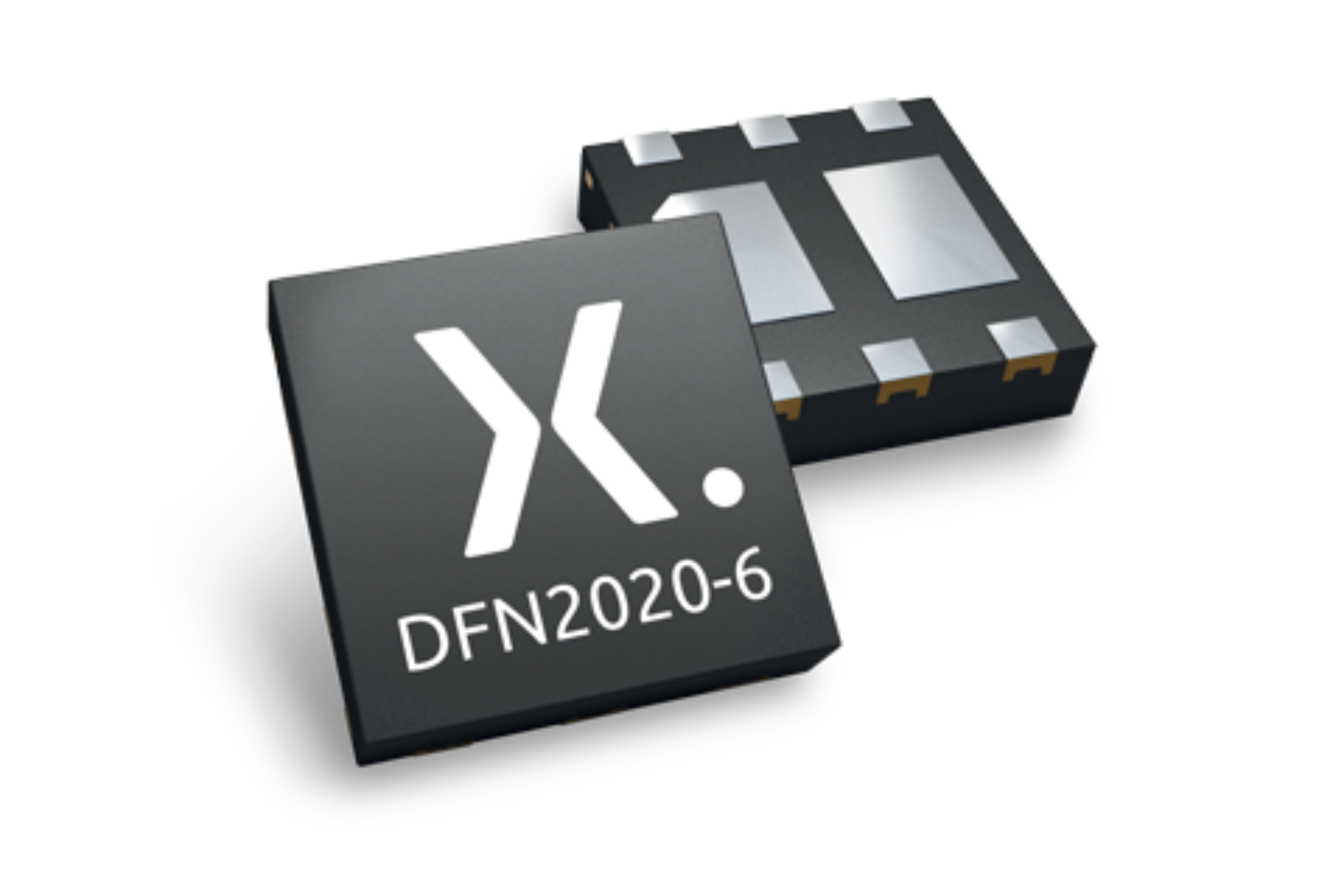
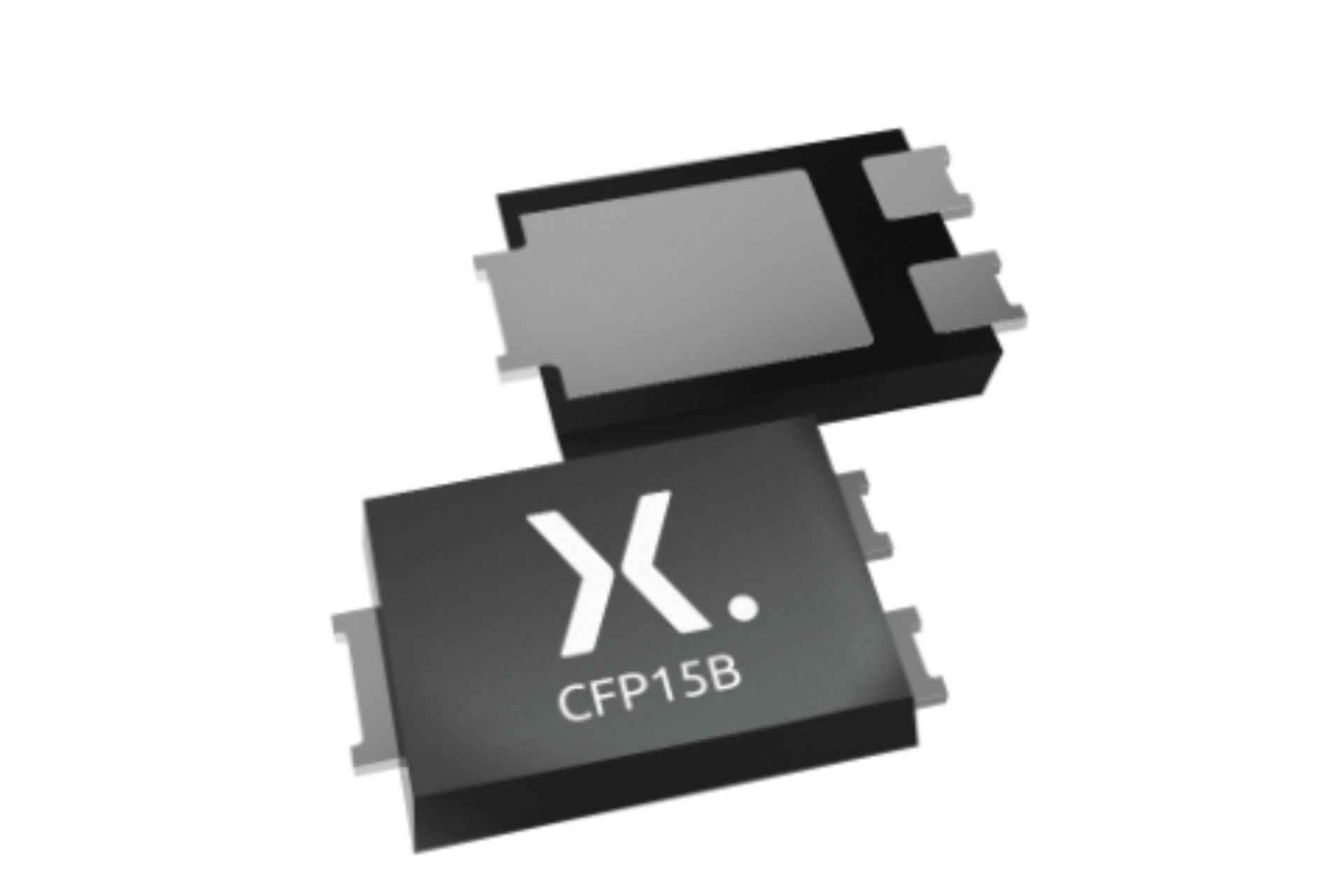
- SOT8063-2 (HSO8): RθJA = 47.5 °C/W
Applications
Supply for off-board sensors
High precision voltage tracking
Body Control Modules (BCMs)
Power switch for off-board loads
| Part number | PG | Cable compensation |
|---|---|---|
NEX91530PB-Q100 |
Y |
N |
NEX91630PB-Q100 |
N |
Y |
NEX91730PB-Q100 |
Y | Y (dynamic) |
Register once, drag and drop ECAD models into your CAD tool and speed up your design.
More information品质及可靠性免责声明
支持
如果您有支持方面的疑问,请告知我们。如需获得设计支持,请告知我们并填写技术支持表格,我们会尽快回复您。
请访问我们的社区论坛或联系我们。
Longevity
The Nexperia Longevity Program is aimed to provide our customers information from time to time about the expected time that our products can be ordered. The NLP is reviewed and updated regularly by our Executive Management Team. View our longevity program here.
样品
作为 Nexperia 的客户,您可以通过我们的销售机构订购样品。
如果您没有 Nexperia 的直接账户,我们的全球和地区分销商网络可为您提供 Nexperia 样品支持。查看官方经销商列表。
交互式数据手册
How does it work?
The interactive data sheets are based on the Nexperia MOSFET precision electrothermal models. With our interactive data sheets you can simply specify your own conditions interactively. Start by changing the values of the conditions. You can do this by using the sliders in the condition fields. By dragging the sliders you will see how the MOSFET will perform at the new conditions set.
交互式数据手册